
Divorce Attorney Serving Putnam, Dutchess, and Westchester Counties
Divorce is one of the most consequential decisions a person makes. The attorney you work with shapes not just how the process unfolds, but where you stand financially and personally when it is over.
At Vanderwoude & Roma, we represent individuals through every stage of divorce — from the first conversation to the final agreement or court order. Our office is located in Stormville, NY, on the Putnam-Dutchess border, and we serve clients across all three counties who need experienced, direct representation from attorneys who answer their own phones.
What Divorce Actually Involves — and What Most People Get Wrong
Many people come to us expecting divorce to be primarily an emotional process. It is, of course. But it is also a legal and financial process with binding outcomes that follow you for years. Property division, maintenance, custody arrangements, and support obligations are not temporary — they structure your life going forward. That is why the strategy your attorney builds from the beginning matters as much as anything that happens in the courtroom.
New York is an equitable distribution state, which means marital assets are divided fairly — not necessarily equally. Courts weigh factors including the length of the marriage, each spouse's income and earning capacity, contributions to the marital estate, and the needs of any children. Understanding how those factors apply to your specific situation is where experienced legal counsel makes the difference.
We work through every financial and parenting issue your divorce involves, including:
- Division of marital property and debt, including real estate, retirement accounts, and business interests
- Spousal maintenance(alimony), both temporary and post-divorce
- Child custody and parenting time arrangements
- Child support calculations and obligations
- Negotiated settlement agreements and, when necessary, contested litigation
Contested and Uncontested Divorce in New York
Not every divorce requires a courtroom battle. When both spouses can reach agreement on the major issues — property, support, and parenting — an uncontested divorce can resolve more efficiently and with less cost. We help clients negotiate and document those agreements in a way that holds up and reflects what they actually agreed to.
When agreement is not possible, we litigate. We prepare thoroughly, we advise clients honestly about the likely outcomes of contested positions, and we do not encourage litigation for its own sake. Our goal is always the outcome that serves the client's long-term interests — not the path that generates the most billable hours.
You Will Speak Directly With Neil or Gerald — Not a Case Manager
At many firms, the attorney you meet for the consultation is not the person handling your case day to day. Calls get routed to paralegals. Questions sit in a queue. You are left wondering where things stand.
That is not how we work. When you call our office, you speak with Neil VanderWoude or Gerald Joseph Roma directly. When a question comes up mid-case, you reach the attorney who knows your file. That access is not a premium add-on — it is how we practice.
Divorce involves decisions that cannot wait for a callback from someone who has not read your file. Direct attorney access means you are never making those decisions without counsel.
Honest Counsel, Even When the Answer Is Complicated
We tell clients what they need to hear, not what they want to hear. If a position is unlikely to hold up in court, we say so. If a settlement offer is better than what litigation would likely produce, we explain why. If a client's expectations are shaped by something they read online rather than how New York courts actually handle these matters, we correct that early — because decisions made on bad information lead to bad outcomes.
This directness is not always comfortable. But it is what good representation requires.
Divorce Affects More Than Your Marital Status
For many clients, a divorce also triggers the need to update estate documents — a will that names a former spouse as beneficiary, a power of attorney that is no longer appropriate, a healthcare proxy that needs a new designee. Because we also handle wills and trusts, we can address those updates as part of the same attorney relationship, without requiring you to start over with someone new.
We handle last wills and testaments, revocable and irrevocable trusts, powers of attorney, and healthcare proxies. If your divorce raises questions about any of these, we can address them.
Frequently Asked Questions About Divorce in New York
What is the residency requirement for filing for divorce in New York?
New York requires that at least one spouse meet a residency requirement before filing. The most common qualifying condition is that either spouse has lived in New York for a continuous two-year period prior to filing. There are shorter residency periods that may apply depending on where the marriage took place or where the grounds for divorce arose. We can confirm which residency path applies to your situation during your consultation.How long does a divorce take in New York?
An uncontested divorce with a complete agreement in place can be finalized in a matter of months once paperwork is filed. A contested divorce — one where the parties cannot agree on property, support, or custody — can take a year or more depending on the complexity of the issues and the court's calendar. The single biggest factor in timeline is how much the parties are able to agree on before litigation becomes necessary.Does New York require fault grounds to get a divorce?
No. New York adopted no-fault divorce in 2010. Either spouse can file on the ground that the marriage has been irretrievably broken for at least six months. Fault grounds — such as cruel and inhuman treatment or abandonment — still exist and may be relevant in some cases, but they are not required to obtain a divorce.What happens to the marital home during a New York divorce?
The marital home is typically the largest asset in a divorce and one of the most contested. Possible outcomes include one spouse buying out the other's interest, the home being sold with proceeds divided, or a deferred sale arrangement — often used when children are involved to minimize disruption. The right outcome depends on each spouse's financial position, the equity in the home, and the overall asset picture. We evaluate all of those factors before advising on strategy.Do I need a divorce attorney if my spouse and I agree on everything?
Even when both spouses are in agreement, having an attorney review and document that agreement is important. Agreements that are incomplete, imprecise, or inconsistent with New York law can create problems later — particularly around property transfers, retirement accounts, and child-related provisions. We help clients document uncontested divorces in a way that is enforceable and complete. Can my divorce attorney also handle my estate planning after the divorce is finalized? Yes. We regularly assist clients with updating their estate documents after a divorce is complete. A divorce automatically revokes certain provisions in a will under New York law, but it does not update beneficiary designations on retirement accounts or life insurance policies — those require separate action. We can address all of it as part of the same attorney relationship.
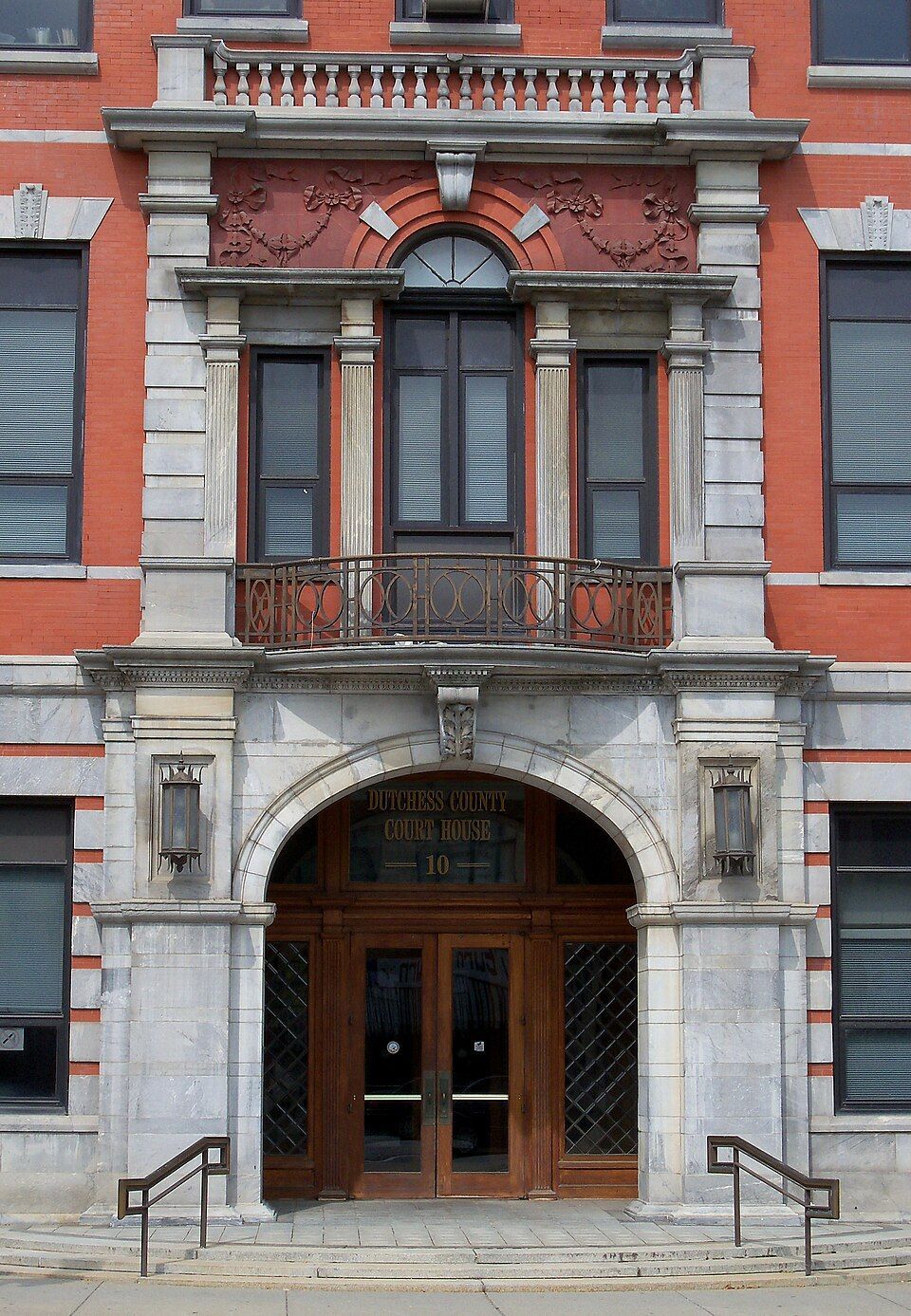
Serving Putnam, Dutchess, and Westchester Counties
Our office is located at 103 Old Route 52 in Stormville, NY, positioned on the border of Putnam and Dutchess Counties. We represent divorce clients throughout Putnam County, Dutchess County, and Westchester County, appearing in the courts where your matter will be heard.
If you are in Carmel, Brewster, Mahopac, Poughkeepsie, Beacon, Peekskill, White Plains, or anywhere in the surrounding area, our office is accessible and our attorneys are familiar with the local courts and judges who will handle your case.
The decisions made during a divorce follow you for a long time. We are here to make sure those decisions are made with accurate information, clear strategy, and an attorney who knows your case.